Living Liver Donor Campaign

Help Pierre get back to the life he loves.

Pierre Durand, father of three, entrepreneur, and lifelong sailor, has one remaining step on his path to no evidence of disease: removing the tumors that remain in his liver. A living donor could make that possible.

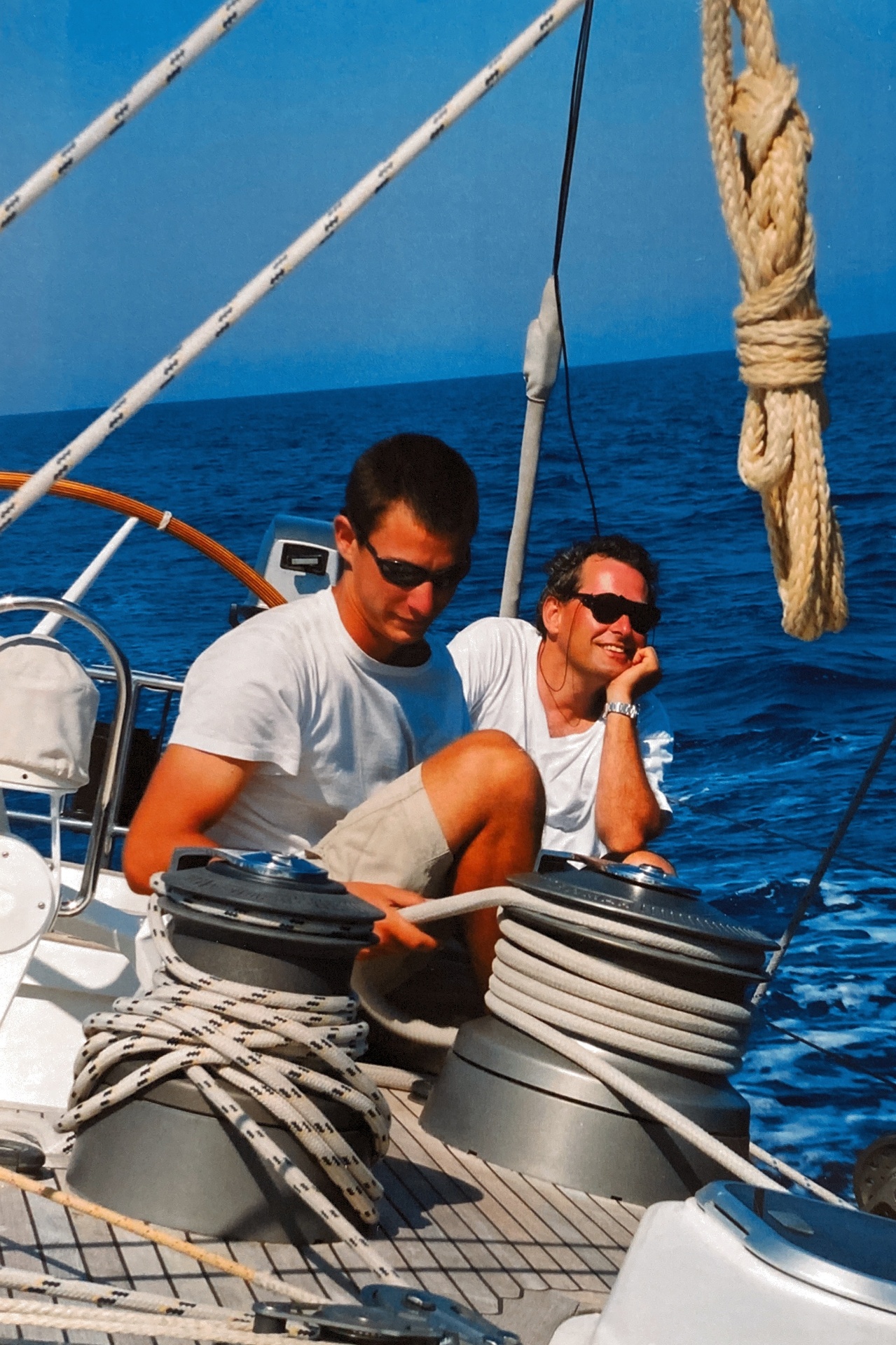
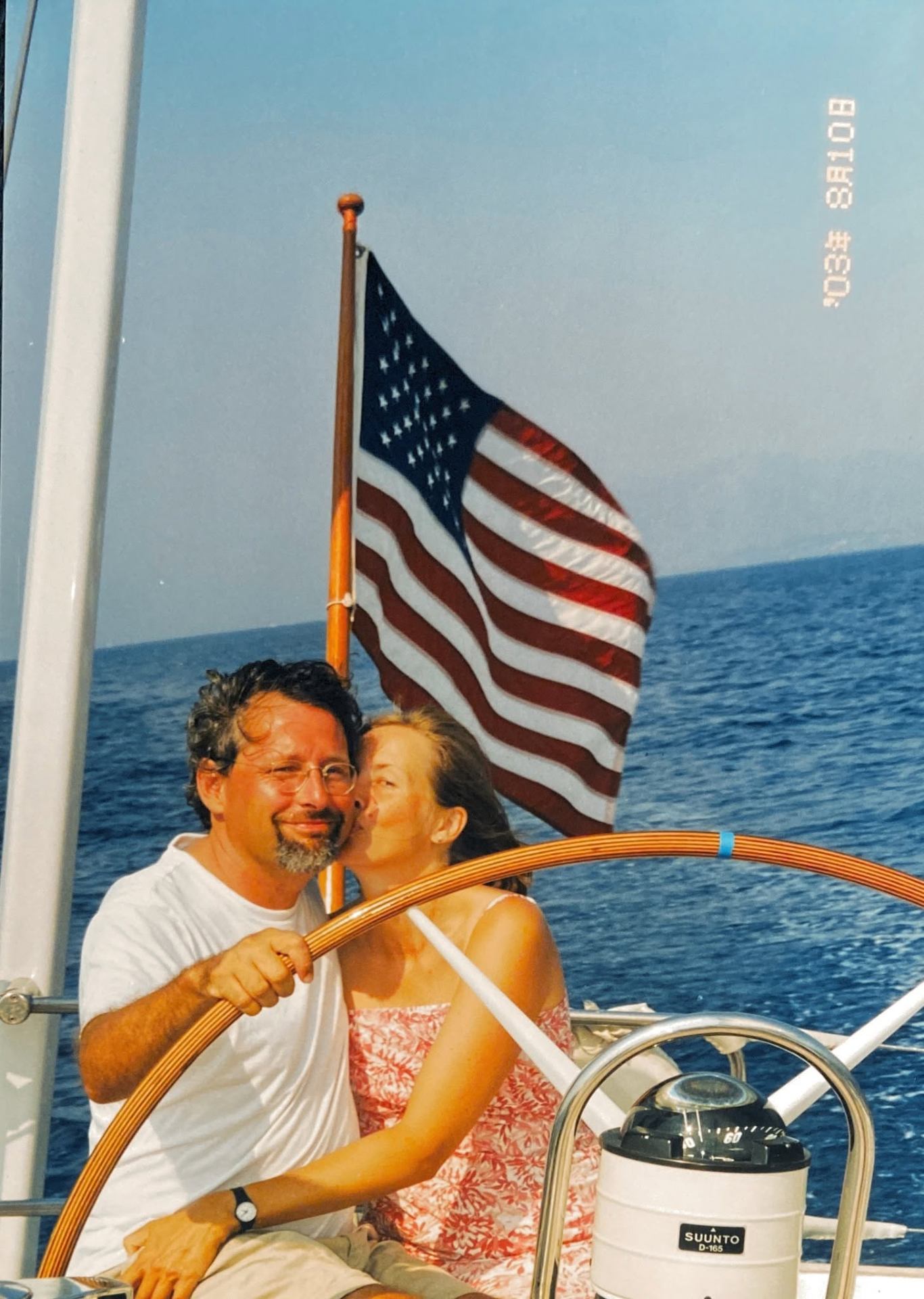
Pierre at the helm of a sailboat with his wife, an American flag flying behind them.
Diagnosis
Stage IV colon cancer

Confined to the liver after successful chemo and colon resection.

Read Pierre's story
Program
Northwestern CLEAR

A pioneering pathway for colorectal patients.

How CLEAR works
How to help
Share or apply

Every share widens Pierre's donor pool.

Apply to be evaluated

Pierre's story

A father, an entrepreneur, and a sailor from the south of France.

Pierre Durand is a father of three boys, an entrepreneur, and an avid sailor. Originally from the south of France, he moved to the Chicagoland area in the 1980s to pursue his education. After graduating, he decided to make Chicago home, where he built a business, raised his family, and has lived ever since.

Pierre has always enjoyed an active lifestyle. He loves being out on the water, spending time with family and friends, and sharing good meals. Although French by birth, one stereotype that never applied to him was wine, he has not consumed alcohol in over 30 years and has always placed a high value on healthy eating and taking care of himself.
In March 2024, Pierre was diagnosed with stage IV colon cancer that had spread to his liver. The diagnosis came as a shock to everyone who knew him. Since then, he has undergone months of chemotherapy, which worked remarkably well, followed by a colon resection in February 2026.

Today, there is no remaining cancer in his colon. The only remaining disease is confined to his liver. Because of how well his treatment has worked, his doctors believe he has a realistic path toward reaching no evidence of disease if the remaining tumors can be removed.

Pierre is looking forward to getting back to the life he enjoys most: spending time with his sons, being out on the water, and making plans for the future.
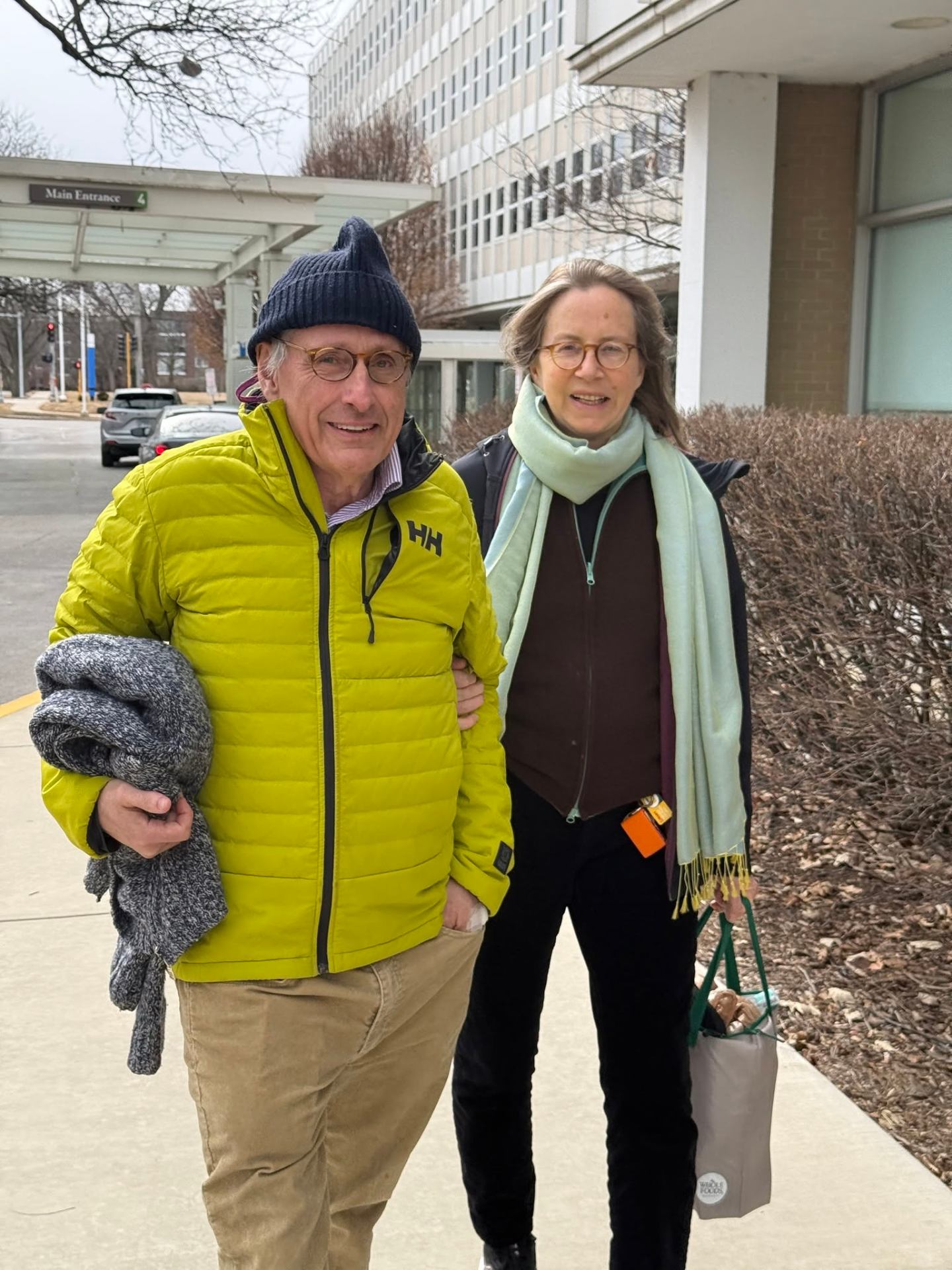
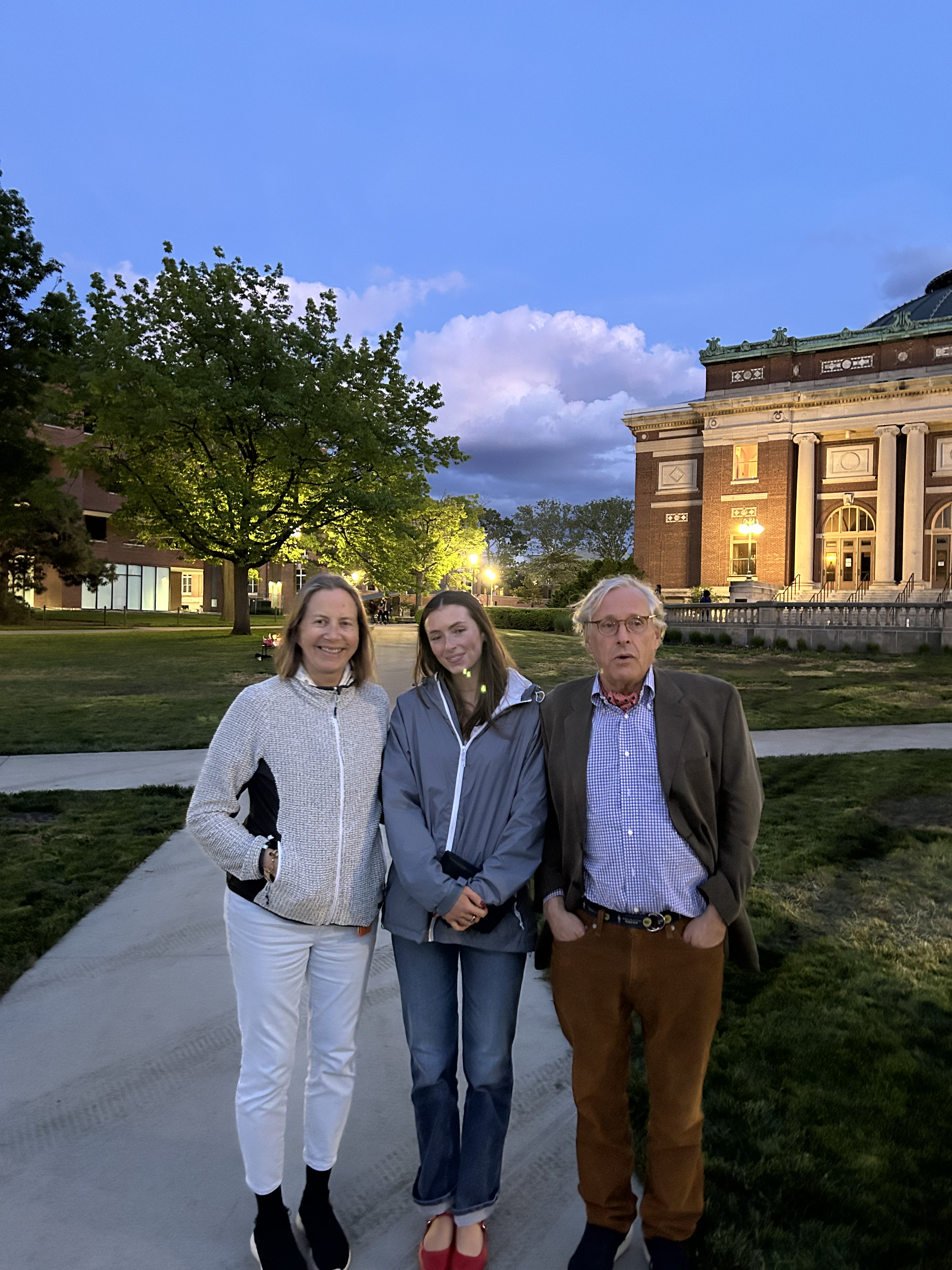
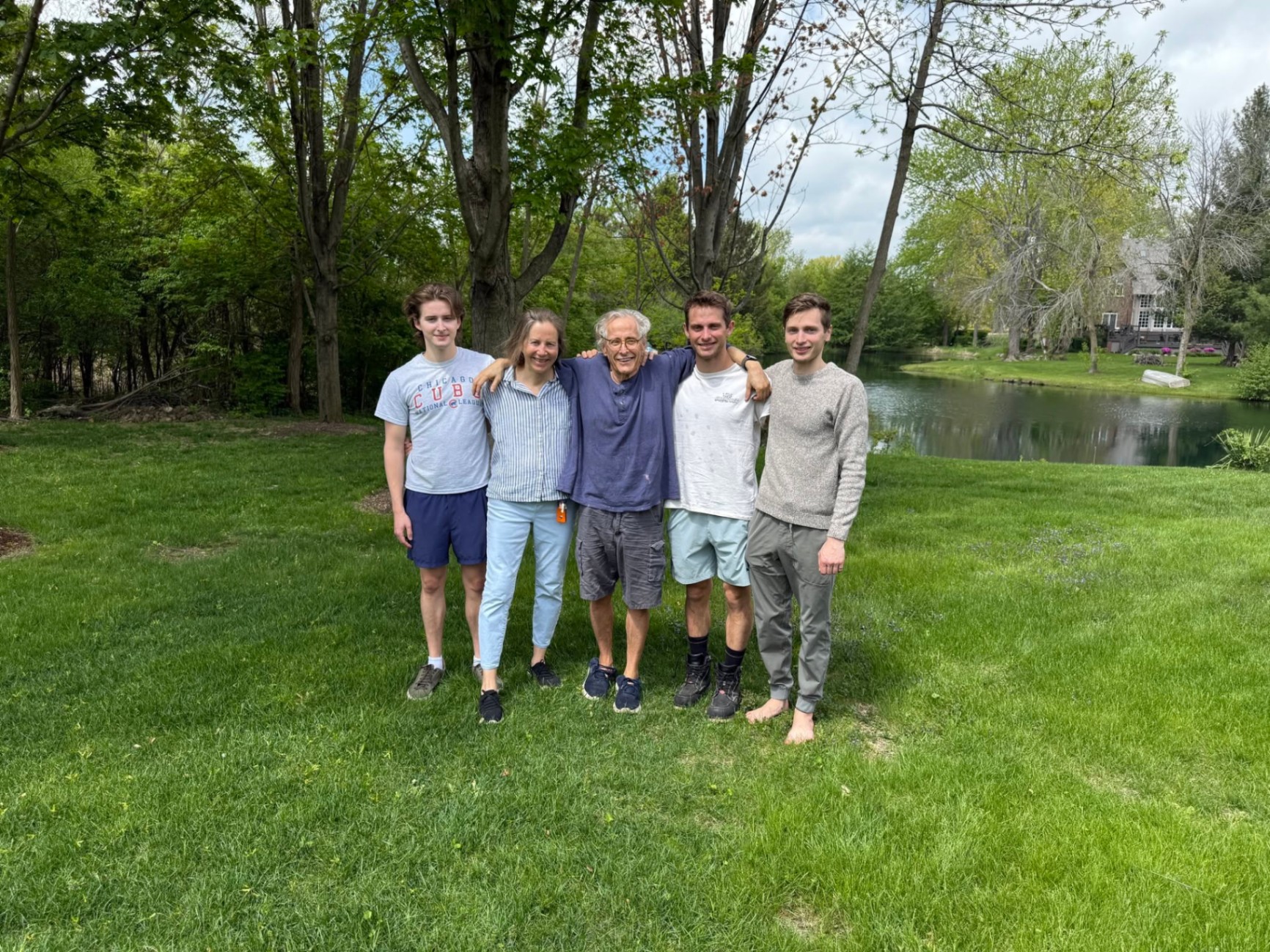
Pierre with his family beside a pond in Chicagoland.Pierre and his wife walking arm-in-arm outside a hospital entrance.

In his element

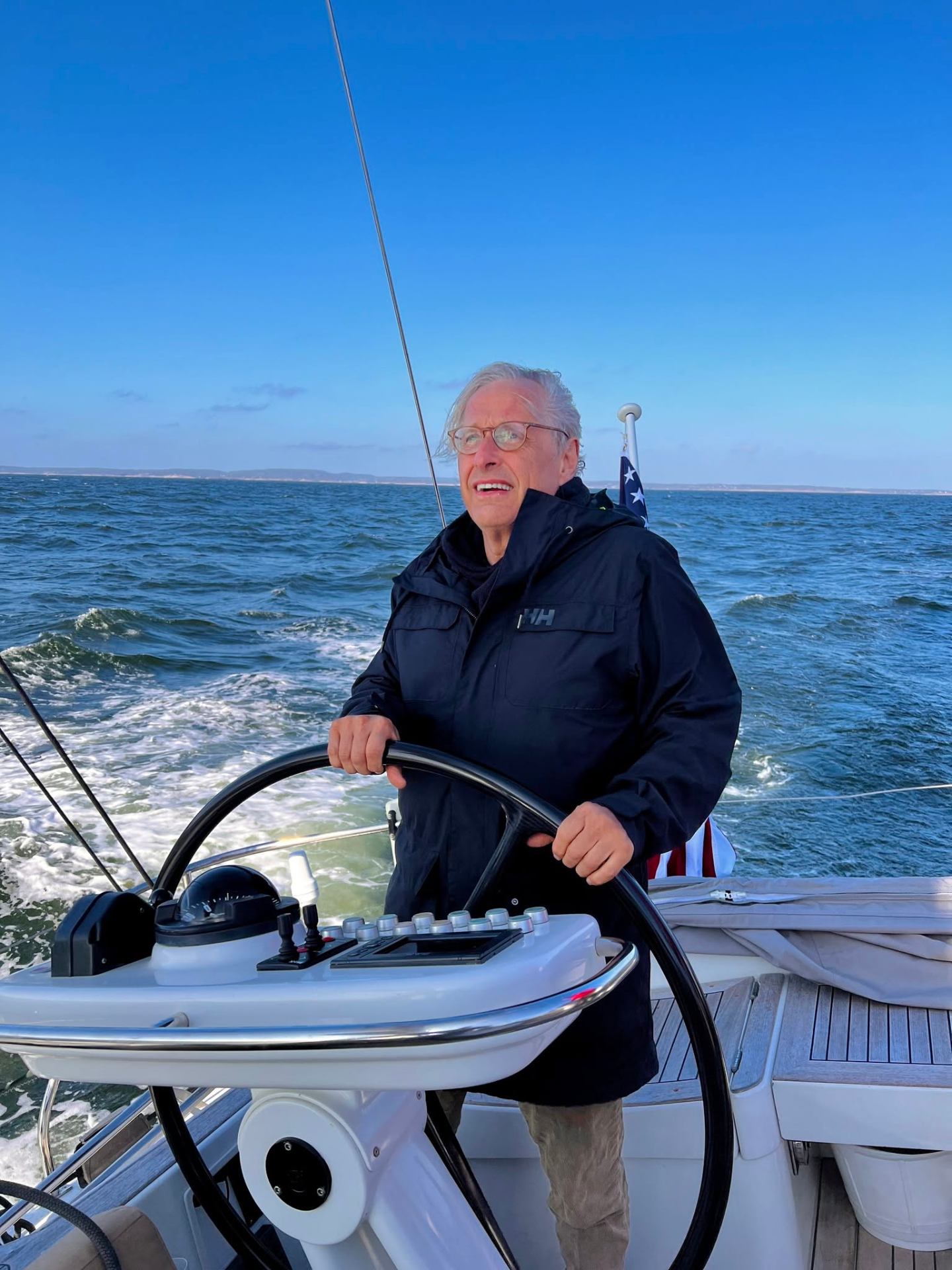
At the helm, where he feels most himself.

The water is where Pierre has always felt most alive. A living donor could give him many more days like this one, with his family and back on the open water.

Pierre at the helm of a modern sailboat on open water.
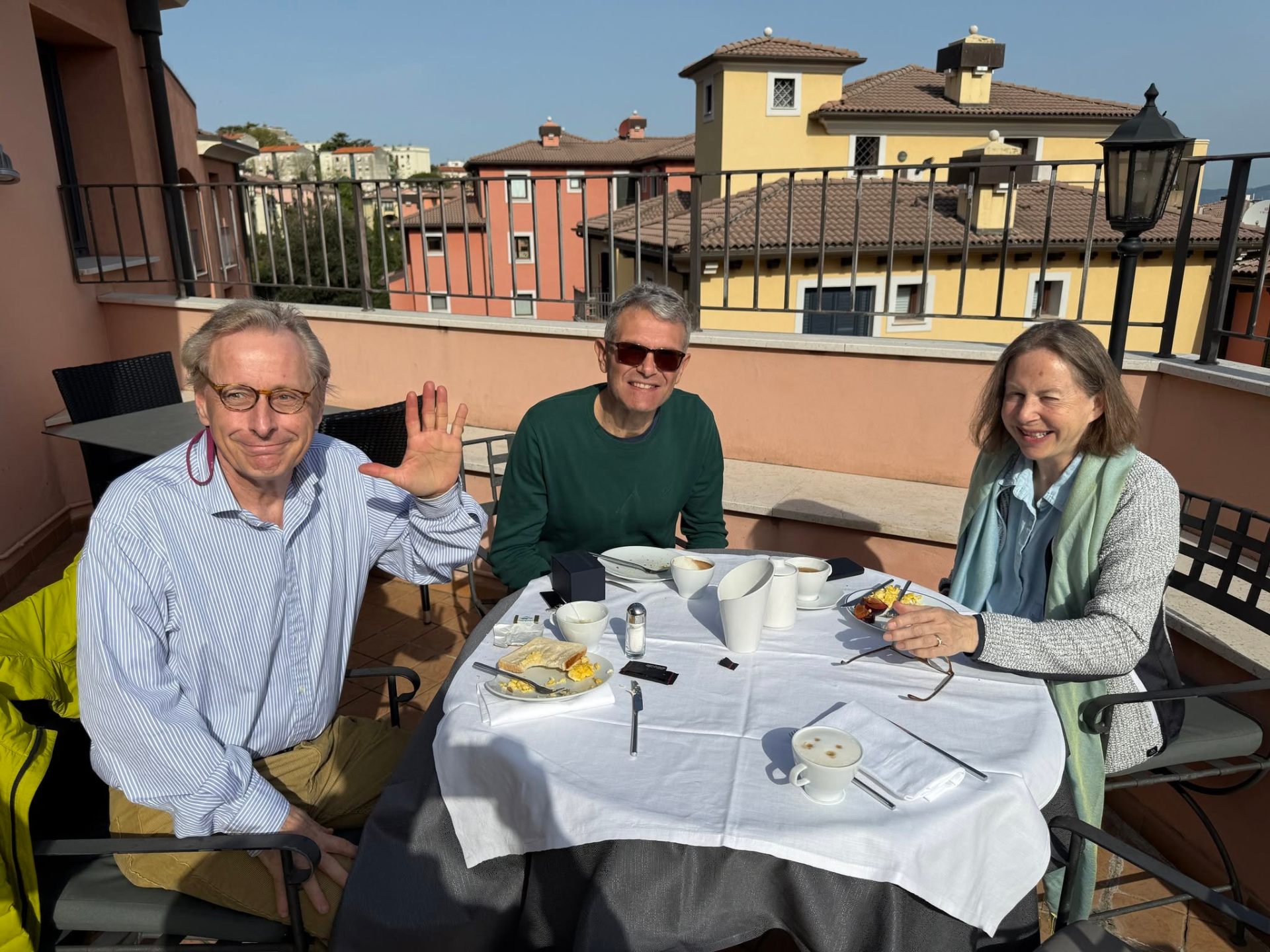
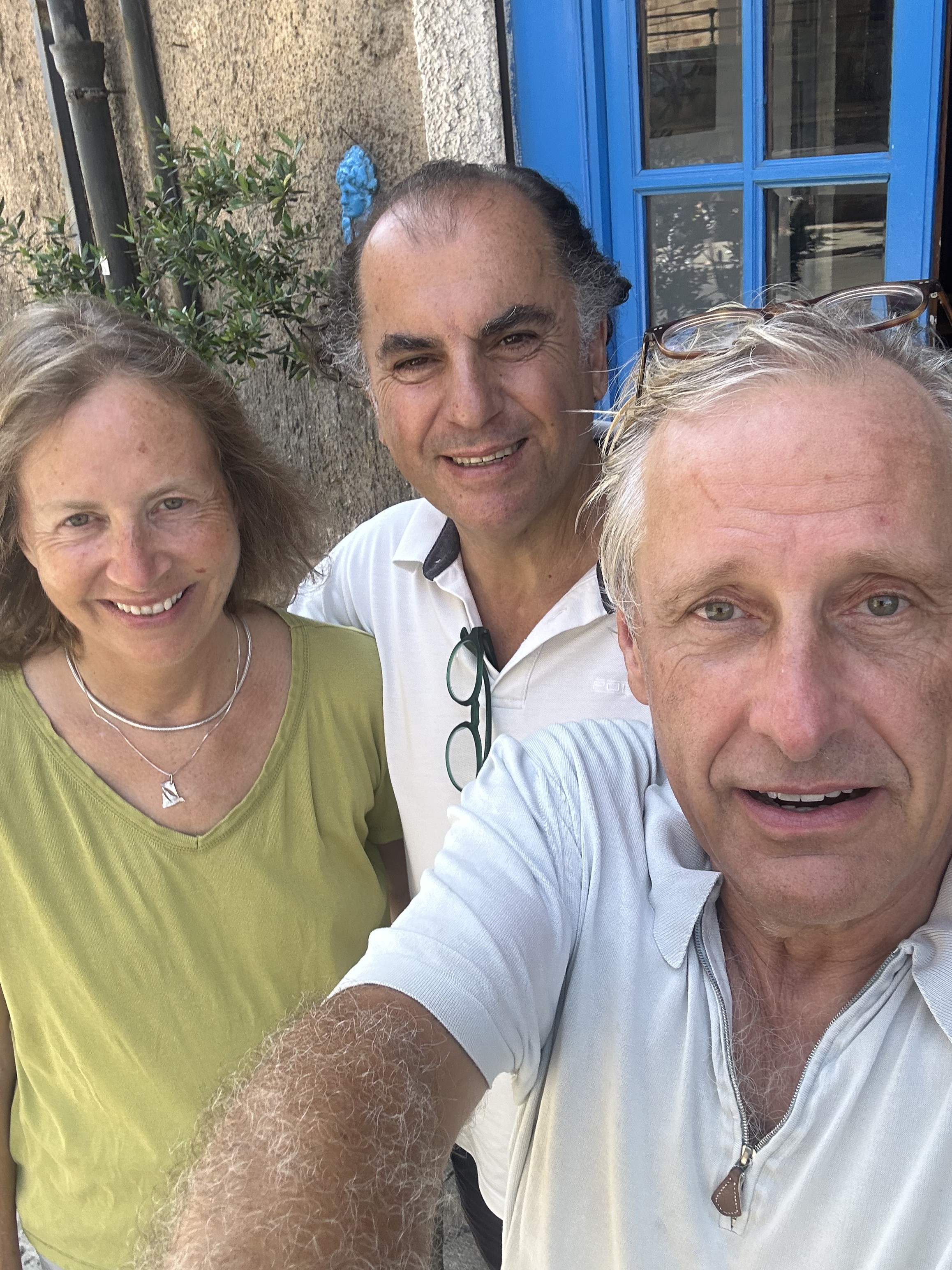
Pierre waving at a sunny rooftop breakfast in Italy with two friends.
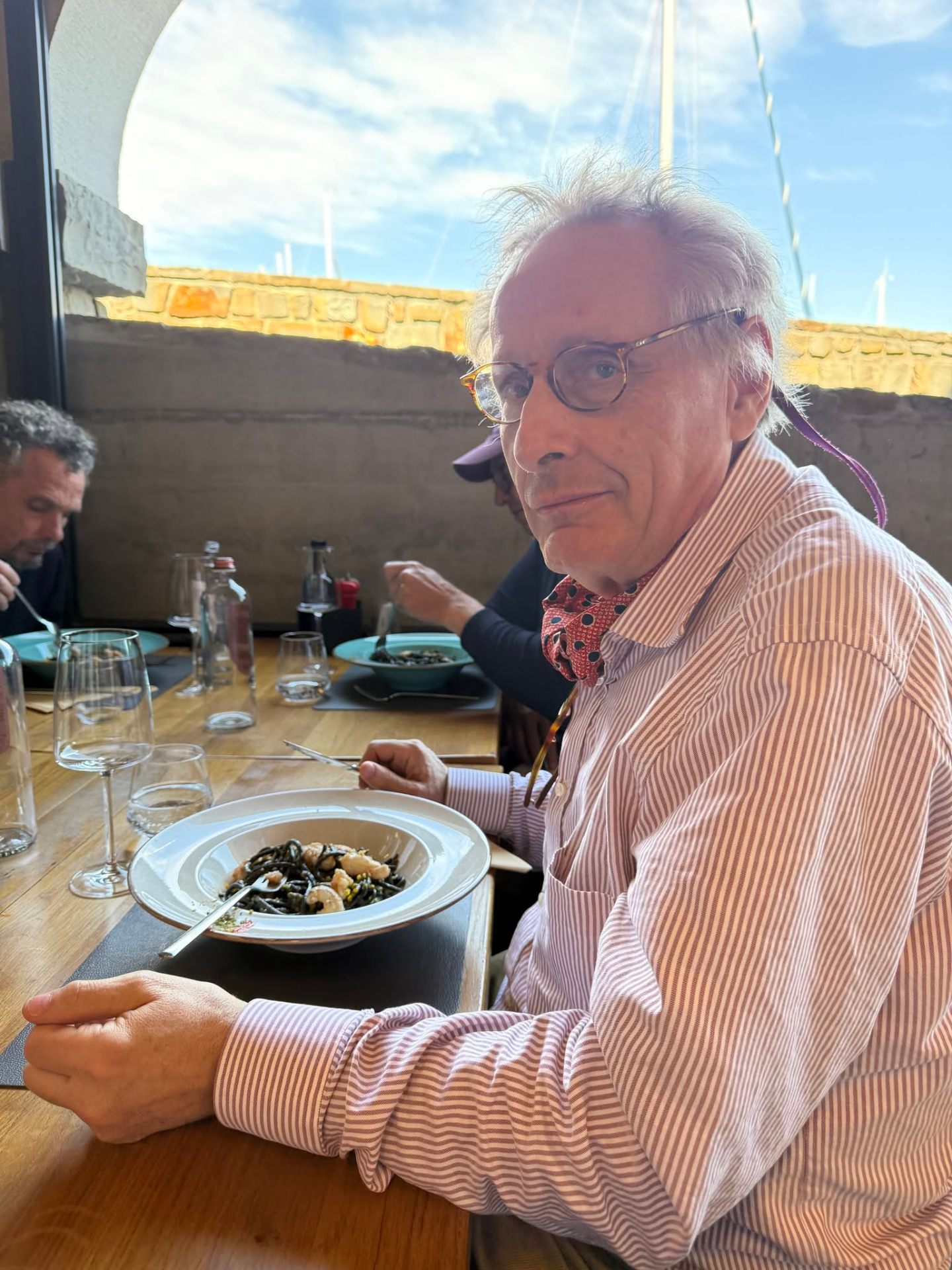
Pierre enjoying squid-ink pasta at a Mediterranean waterfront restaurant.
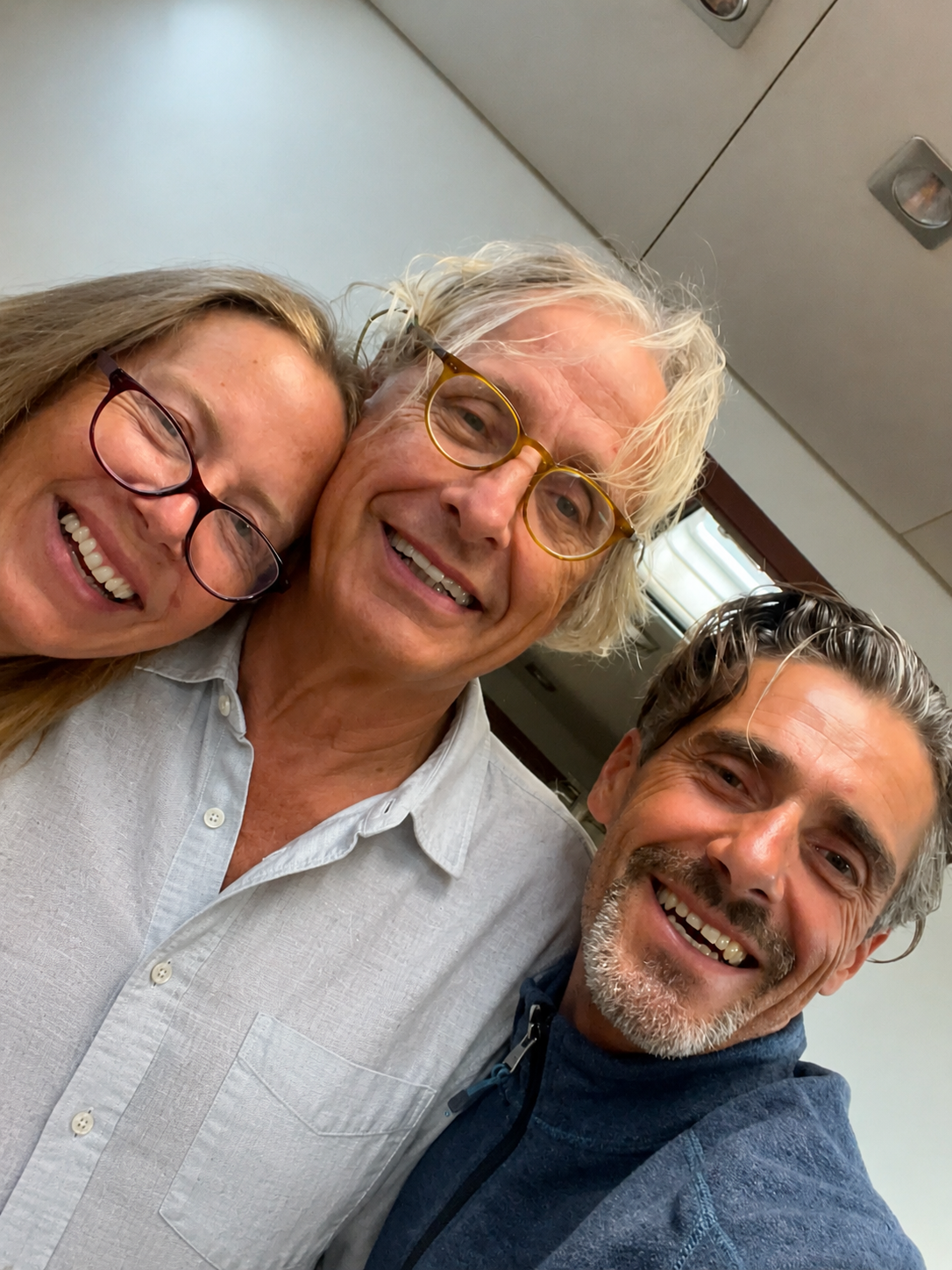
Family gathering in the backyard.

Northwestern Medicine

The CLEAR program

Colorectal Metastasis to Liver Extraction with Auxiliary Transplant and Delayed Resection, a clinical pathway launched at Northwestern to give patients like Pierre a real shot at a cure.

Why CLEAR exists

Colorectal cancer is the third most common cancer worldwide, and the liver is its most frequent site of spread. Historically, liver transplants for these patients have been rare, the current national allocation system doesn't prioritize them, so they slip lower on the waitlist and often can't survive the wait.

CLEAR changes that. Directed by Dr. Satish Nadig and the Northwestern Comprehensive Transplant Center, it opens a transplant pathway for select patients through a living donor transplant: a healthy volunteer donates a portion of their liver, which is transplanted into the patient. Both livers then regrow.

10%

5-year survival with chemotherapy alone for stage IV colorectal cancer confined to the liver.

80%

5-year survival reported for select patients who receive a liver transplant.

6–8 weeks

for both the donor's and the recipient's livers to regrow to nearly full size.

The living donor journey

From questionnaire to full recovery, with Northwestern's team at every step.

A living donor transplant gives Pierre the best combination of timing, graft health, and surgical planning. The donor's medical costs are covered by the recipient's insurance, and Northwestern's living donor team supports the donor through evaluation, surgery, and recovery.

  1. STEP 01

    Confidential screening

    Interested donors complete a short questionnaire. Northwestern's living donor team reaches out privately to review medical history and next steps.

  2. STEP 02

    In-depth evaluation

    Blood typing, imaging, and medical, psychological, and lifestyle screening confirm that donating is safe for the donor and a strong match for Pierre.

  3. STEP 03

    The donor surgery

    Surgeons remove a portion of the donor's liver, typically the left lobe, in a carefully planned operation at Northwestern Memorial Hospital.

  4. STEP 04

    Transplant into Pierre

    The donated segment is transplanted into Pierre alongside removal of the remaining cancerous tissue in his liver.

  5. STEP 05

    Both livers regenerate

    The liver is the only human organ that regrows. Both the donor's and Pierre's livers return to nearly full size within six to eight weeks.

Pierre's path

A living donor is the fastest, most reliable way through CLEAR.

Pierre has already responded remarkably well to chemotherapy and a successful colon resection. The remaining disease is confined to his liver. A living donor transplant would remove that cancerous tissue and give him a realistic path to no evidence of disease.

The donor gives a portion of their liver, typically the left lobe, and both livers regrow to nearly full size within six to eight weeks. Long-term liver function in the donor returns to normal. The recipient's insurance covers the donor's medical costs, and Northwestern's living donor team supports every step of evaluation, surgery, and recovery.

The clinical team

Care is delivered at Northwestern Memorial Hospital in Chicago. All eligibility and clinical decisions are made by the CLEAR team.

In the news

The CLEAR program, in the words of others.

Reporting and patient stories about the Northwestern Medicine program that could change the outcome for Pierre.

What living donation involves

A life-saving act, backed by cutting-edge medicine.

The Northwestern living donor team walks every potential donor through the process. This is what to expect at a high level.

Evaluation

Confidential medical, psychological, and lifestyle screening to make sure donating is safe for you.

The surgery

Surgeons remove a portion of the donor's liver (typically the left lobe) and transplant it to Pierre.

Liver regeneration

Both livers regrow to nearly full size within 6 to 8 weeks. Long-term liver function returns to normal.

Recovery

Most donors stay in the hospital 5 to 7 days and return to normal activity within 8 to 12 weeks.

Who can donate

Generally healthy adults 18 to 55, compatible blood type, non-smokers, and BMI under about 32.

Costs & support

The recipient's insurance covers the donor's medical costs. Northwestern supports every step.

Donor questionnaire

Take the first step. It is confidential and non-binding.

Complete this short questionnaire and the Northwestern Memorial Hospital living donor team will reach out to guide you through evaluation. There is no obligation at any stage.

Prefer to apply directly with Northwestern?

You can also start the process on Northwestern's own site.

Northwestern living donor site →

Your information is stored securely and only shared with the Northwestern living donor team.

Even sharing this page helps.

The more people who see Pierre's story, the more likely we are to find the right donor. Please share with anyone who might consider it.